Siberian Cat: Breed Info, Pictures, Care Traits & Facts

Updated on

| Height: | 10 to 12 inches |
| Weight: | 15 to 20 pounds |
| Lifespan: | 12 to 15 years |
| Colors: | Varies |
| Suitable for: | Families looking for a sociable cat |
| Temperament: | Affectionate, playful, people-oriented |
The Siberian cat is a natural breed that originated in Russia. They were not purposefully bred by people but were instead naturally developed over hundreds of years. However, they have only been officially recognized recently.
These cats vary somewhat in size. They can be medium to medium-large. The Siberian cat has long-flowing fur and is thought to be the ancestor of most of the world’s long-haired breeds today.
Strangely, this feline creates less Fel d 1, a common cause of cat allergies. Therefore, they are somewhat hypoallergenic, though not completely.

Siberian Cat Kittens
Siberian cats are not the most popular purebred cat in America. That said, they are findable — you just may have to drive a bit for a breeder and sit on a waiting list for a while.
Kittens are often quite expensive. Of course, this assumes that the cat is coming from a qualified breeder.
You probably won’t find these cats available outside of professional breeders. They are too rare to end up at most animal shelters. Most breeders ask buyers to sign contracts that they won’t turn the cat over to an animal shelter, which helps keep these kittens out of rescues.

3 Little-Known Facts About the Siberian Cat
1. They didn’t arrive in the United States until 1990.
This breed is quite old, especially after developing naturally for so long. However, they were not imported into the United States until 1990. They are gaining in popularity, but the price of imported cats from Russia keeps them rare.
2. Siberian cats can vary considerably.
In Russia, where the cat originates, each cat club creates its own standard. Therefore, there is plenty of natural deviation between different Siberian cats, though they are all technically the same breed. Many European countries have their own standards today, but even these tend to vary somewhat.
3. They mature much faster than most other breeds.
Despite their somewhat larger size, this breed actually develops faster than others. Some Siberian cats reach puberty in as little as 5 months. Many believe that this is to help the cat produce more litters, which is important for a “wild” breed of cat.
Temperament & Intelligence of the Siberian Cat
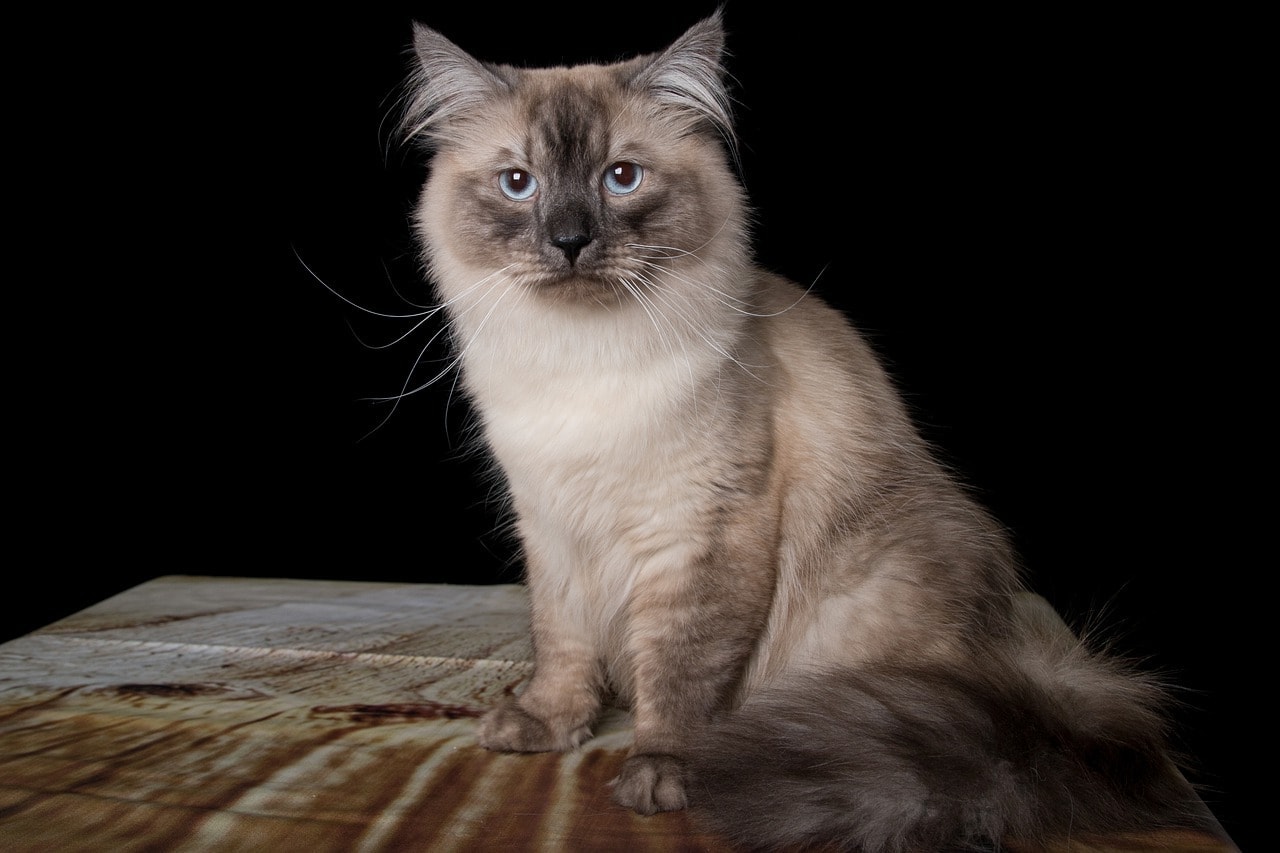
Siberian cats often vary considerably in temperament. It depends on the exact line that the cat is from.
Often, these felines are affectionate and love to be around their people. They’re known for following their owners around the house and trying to be involved in whatever you’re doing. They are cats that will enjoy sitting on your keyboard while you try to work.
Siberian cats tend to be rather vocal. They aren’t necessarily loud, but they do like to “talk.” A well-socialized Siberian cat will enjoy being in the company of others and will often greet houseguests. Most don’t particularly mind whom they cuddle with, as long as they are cuddling with someone. Most of the time, they are not shy.
They can also be rather active and playful. They keep their kitten-like playfulness well into adulthood and are typically far more active than other cats. We recommend investing in a climbing structure or two.
These cats are intelligent enough to be trained. They can walk on leashes and be taught tricks. Of course, this also means that they require more mental stimulation than some other breeds. They thrive on puzzle toys and plenty of playtimes.
Unlike most cats, many Siberians like to play in the water. They won’t necessarily go swimming, but many do like to bat at things in the water, so be sure all your fish tanks are carefully closed. We even recommend weighing the lids down a bit, as these cats can be quite nimble.
Are These Cats Good for Families? 👪
Yes. These cats are not fearful of children or strangers in most cases. They bond equally with everyone and are usually always up for cuddling.
Due to their playful nature, many children thrive with these cats as pets. They will happily play with kids for hours, chasing feather wands and balls.
Since they aren’t that shy, they tend to get along with social families. You don’t have to worry about them hiding from houseguests or becoming stressed when you have friends over.
Does This Breed Get Along With Other Pets?
Siberians are like most other housecats when it comes to other pets. When socialized, they get along fine with other cats. However, when they are not properly socialized, they can be territorial and fearful of strange felines.
Therefore, it is highly recommended that you socialize with them regularly. They are smart enough to be taught to walk on a leash, which helps with socialization immensely.
They can get along with dogs, especially since they tend to be rather fearless. However, they must be paired with a cat-friendly dog. Just like all cats, they won’t appreciate a dog trying to chase them around the house.
Too many negative run-ins with a dog, and they can easily become untrusting of dogs in the future.

Things to Know When Owning a Siberian Cat
Food & Diet Requirements 🐡
For the most part, these cats do not have any specific dietary concerns. It is a common misconception that they need a diet higher in meat or even raw ingredients due to their “wild” nature. However, they have been domesticated for a long time and do just fine on high-quality, commercial food.
That said, they are obligate carnivores, just like other cats. Therefore, they should be fed a diet high in meat and other animal products. However, small amounts of fruits and veggies can be helpful in their diet too.
Cats are less effective at digesting large amounts of carbohydrates, so grains and carb-heavy foods should be avoided. Of course, be sure to feed your feline a diet that is appropriate for their life stage. If they are kittens, they should be fed kitten food. This proper feeding ensures that they grow appropriately into adulthood since kittens need particular vitamins and minerals to thrive.
Like all cats, these felines are prone to obesity. You should avoid feeding them too much food because this can easily lead to obesity, which in turn, is associated with a wide range of other problems.
Exercise 🐈
The Siberian cat has a moderate to high activity need. They are often more active when they are younger, and they slowly become less active as they age. However, they are prone to keeping their kitten-like playfulness for years into adulthood.
These cats usually take any opportunity to play. They also love to climb, so cat trees are recommended.
Typically, they enjoy toys of all sorts, from feather wands to fake mice. Unlike most felines, it isn’t odd for a Siberian to enjoy the water. We recommend introducing them to a small amount of water when they are younger.
Since they are prone to obesity, we recommend using toys and other methods to help them maintain a healthy weight. You can’t leave them alone all day and expect them to meet their own exercise needs. Instead, active play led by you is highly recommended.
Try using interactive toys, like feather wands, to encourage movement and natural play behaviors. You can also purchase mechanical, automatic toys for when you are not available.
For especially active cats or those with obesity problems, interactive toys can be lifesavers.
Training 🧶
Siberian cats are intelligent and quite people-oriented. For this reason, they are rather easy to train. If you start at a young age, you can teach these cats to do just about anything!
We highly recommend teaching them to walk on a harness. This skill is useful for socialization and exercise. There are few other ways that you can safely take your cat out and about. Learning to walk on a leash opens up their world to brand-new experiences. You can also teach them the usual commands, such as sit and stay.
Since they aren’t as trainable as most dogs, you should expect training to move along slowly but steadily. Don’t force your cat to engage in a training session if they don’t want to. Instead, wait for a time when they seem ready and willing to participate.
You can train them using similar methods to canines. Most Siberian cats love treats and will be motivated to perform for them. Others are extremely play-oriented and may perform tricks for toys.
Grooming ✂️
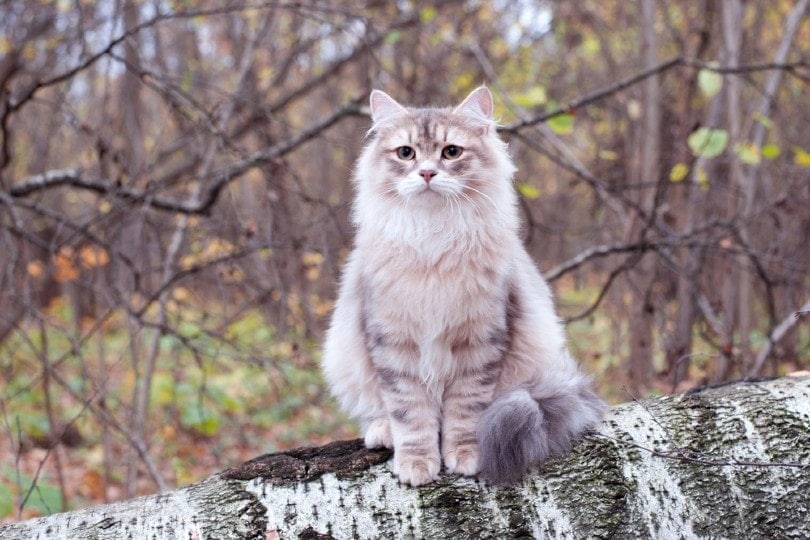
Like most cats, you won’t need to groom a Siberian that often. They do a good job of keeping themselves clean, even with their long fur.
That said, their thick coat does need to be brushed a few times a week. Start this routine at an early age so your cat is used to it by the time that they are older. Use treats, attention, and toys to make the grooming process fun and something to look forward to. You don’t want your cat associating the brush with bad memories.
Their coat will shed seasonally, and they may need more brushing during this time. If you’re looking to prevent much of the fur from ending up on your floor, you may end up brushing them as much as once a day.
Brush their teeth regularly to prevent periodontal disease. Dental disease in cats can lead to all sorts of other problems and be expensive to treat. Luckily, brushing your cat’s teeth is a simple way to prevent it. Start when the cat is young so they are used to it by the time that they are adults.
Health and Conditions 🏥
Siberian cats are typically healthy pets. They developed naturally in the wild, where being sick or genetically inferior often led to an early death. Therefore, these cats typically only have healthy genes. The genes that weren’t healthy simply didn’t get passed on.
However, they are somewhat prone to hypertrophic cardiomyopathy (HCM), which is a common disease among many cat breeds. HCM occurs when the heart muscles enlarge and stop working quite as efficiently. Eventually, this condition can lead to heart failure.
On top of this, Siberian cats can often develop skin problems if they are not groomed properly. Mats can trap dirt, debris, and moisture underneath their skin, causing sores and infections. Luckily, these problems are easy to avoid. Just be sure to stay on top of their grooming routine.
Their long fur can also trap debris in their ears, eventually leading to infections. Consider trimming the fur in their ears or cleaning them out regularly.
- Skin irritation
- Ear infections
- Hypertrophic cardiomyopathy

Male vs. Female
There is not a significant difference between the males and females of this breed. Both sexes are similar in temperament and appearance. For the most part, the sex that you choose is largely up to you.
You may want to consider not seeking out a particular sex because Siberian cats are so rare, anyway. In some cases, there may only be one sex available for months at a time. Therefore, it is often best to choose the first high-quality kitten that is ready for a new home.
Final Thoughts
The Siberian cat hails from Russia and is thought to be the source of the long-haired gene in cats. These felines were originally bred naturally in the wild. However, they have since been selectively bred by people. For the most part, they look and act like other domestic felines. They are not particularly more “wild” than other cat breeds out there.
They do require grooming, usually a few times a week at least. They are also quite active compared to some other breeds, so we recommend them for families who are ready to do plenty of playing.
However, they are also friendly and affectionate cats, happily spending hours in laps if one is available. They are not as fearful as most other breeds, which allows them to interact freely with visitors and other guests.
Featured Image Credit: Tania__Wild, Shutterstock