Ragdoll Cat Breed: Info, Pictures, Care, Traits & Facts

Updated on

| Height: | 9–11 inches |
| Weight: | 10–20 pounds |
| Lifespan: | 15–20 years |
| Colors: | White, black, ebony, red, orange, blue-gray, lavender, lilac, cream, tan, brown, sable |
| Suitable for: | First-time cat owners, families with children, older adults |
| Temperament: | Friendly, easy to train, loyal |
The Ragdoll is a large cat breed that can look intimidating when you compare it to other smaller domestic cat breeds. However, these cats fit the “gentle giant” archetype very well. They’re very easygoing and enjoy being around people. They’re patient and typically get along with just about anyone and any animal.
Sometimes, it can be so easy to take care of Ragdolls that you might forget that these cats have their own needs and unique preferences. So, keep reading so that you truly get to know these cats. These cats love their humans, and a well-informed cat owner will form a deep bond with them.

Ragdoll Kittens
The price of a Ragdoll cat will depend on several factors. First, the kitten’s pedigree affects costs, with show-breed kittens being the most expensive. Also, kittens with rarer color patterns will have a higher price. Rare color patterns include tortoise, red, and lilac. A common color pattern is blue seal points.
If you’re just looking for a Ragdoll as a pet, you don’t have to look for a show-quality kitten.

3 Little-Known Facts About the Ragdoll
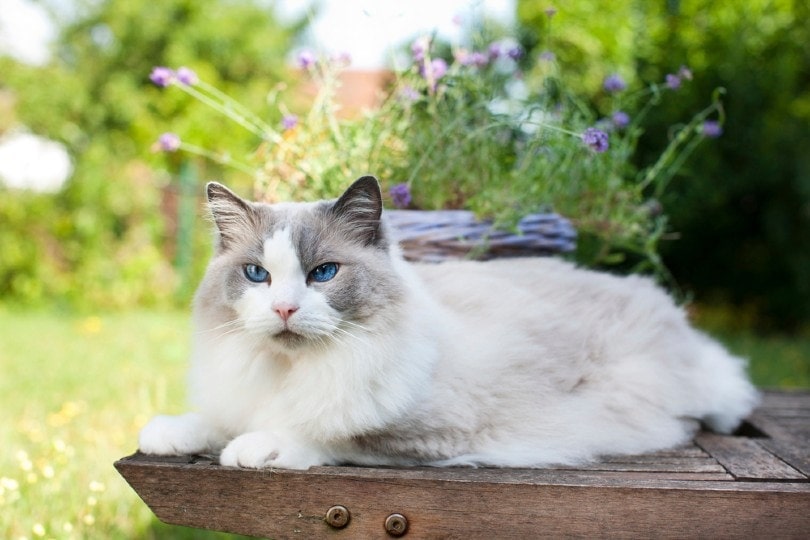
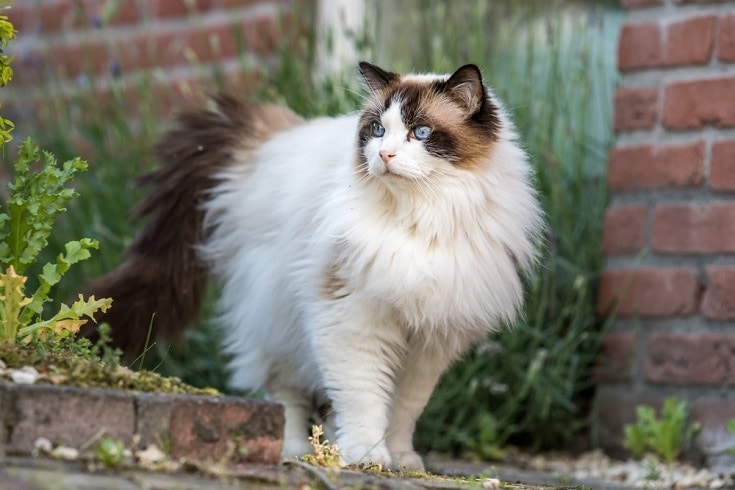
1. Purebred Ragdoll cats all have blue eyes
All purebred Ragdolls have blue eyes. Any Ragdolls that have other eye colors, such as green or gold, are mixed-breed cats.
2. Ragdolls are late bloomers and mature later than most cats
Most kittens typically stop growing and reach adulthood at about 12 months. The Ragdoll cat can keep growing until they’re four years old. They may also continue to display playful kitten tendencies and behaviors until they’re about three years old.
3. Ragdolls love water
Unlike many cats, Ragdolls don’t mind water and may even have a fascination with it. If a Ragdoll gets dirty, it’s often an easy experience for owners to bathe their cats.
As a matter of fact, many people often compare Ragdolls to dogs because of their playful and loyal personalities. A lot of Ragdolls form deep bonds with their owners. They tend to greet their owners at the door when they return, and these cats can often show interest in learning new tricks.
Temperament & Intelligence of the Ragdoll
Ragdoll cats are typically affectionate and gentle. They earned their name because they tend to go limp when people pick them up. They love to be held and enjoy cuddling with their people.
This breed is easygoing and laidback, and they prefer to stay on the ground rather than perching in higher areas in a room. This trait makes them great cats for first-time cat owners, families with children, and older adults.
It’s important to remember that this breed gets lonely and doesn’t like to be alone for long hours. Therefore, they will do better in a family setting because there’s a higher chance for someone to always be in the house.
Are These Cats Good for Families? 👪
Yes, these cats are an excellent fit for families. They love being around people and receiving attention, but they don’t have demanding personalities.
Ragdolls are also very patient, so they’re great with children. They aren’t known for being vocal, so it’s important to ensure that children learn how to handle and play with these cats gently. Just because a Ragdoll doesn’t say or do anything, it doesn’t mean that they’re comfortable. They can be so docile that they may not vocalize or signal that they feel rough-handled.
Does This Breed Get Along with Other Pets?
Ragdolls generally get along with other pets. These cats are fairly large, so they can end up being a fun playmate for dogs. They’re also not very territorial, so they don’t mind living with other cats.
This breed doesn’t have a strong prey drive, so they have the potential to do well with smaller pets. However, make sure to supervise any initial interactions until the Ragdoll consistently shows positive behaviors with other pets.
You’ll have the greatest chance of success when you introduce Ragdolls to other pets while they’re kittens. Early socialization is important, and it’s easier to teach kittens to be around other pets than trying to teach full-grown adult cats.
Things to Know When Owning a Ragdoll:
Ragdolls are so easygoing that their good-natured personalities can be a disadvantage to them. They won’t be as vocal about their needs. Therefore, it’s important to know their care requirements and preemptively care for them so that they stay happy and healthy.
Food & Diet Requirements 🐡
Ragdolls are prone to obesity and gastrointestinal issues, so diet plays a crucial role in their daily lives.
This breed will benefit from a limited-ingredient diet. The cat food should have a high protein content with real meat, such as deboned chicken or salmon, as the first ingredient. Avoid food with a high content of carbohydrate fillers, such as grains and legumes.
Since Ragdolls can have sensitive digestive systems, it’s best to stay away from foods that cats typically have a hard time digesting. This includes potatoes and tomatoes.
Exercise 🐈
Because of their easy-going nature, most Ragdolls tend to be indoor cats instead of outdoor cats. However, despite their docile personalities, Ragdolls are actually quite playful.
Since they’re prone to obesity, it’s important to engage their playful side. These cats will love interacting and playing with people, so toys like teaser wands and electronic chase toys will work well for them. They can also enjoy treat dispensers, with healthy treats in them.
Another trait that Ragdolls share with dogs is that many of them naturally play fetch. This activity can also be a great bonding activity for Ragdolls and their owners as they play together.
Training 🧶
Because Ragdolls love receiving attention from people, they’re easier to train than other cat breeds. They may enjoy learning tricks because it means spending time with their owners and receiving a lot of attention.
If you’d like to train your Ragdoll to do tricks, make sure to show them a lot of praise and patience. Keep training sessions fun and short and revisit them frequently.
Grooming ✂️
Ragdolls have single coats and medium to long length hair. Their hair doesn’t mat easily, but this doesn’t mean that owners rarely need to groom them. Ragdolls will benefit from regular brushings about once or twice a week. Regular brushing will keep their coats glossy and smooth and prevent hairballs.
Owners should also bathe Ragdolls about once a month. Bathing will remove dirt and any buildup in their coat. Fortunately, most Ragdolls don’t mind water. Therefore, baths can become a treat for them as they receive plenty of attention from their owners.
Other grooming needs include brushing their teeth and trimming their nails. Ragdolls don’t have hereditary dental issues, so they don’t need any additional dental care other than regular brushing. They should also have their nails trimmed about every 2 to 3 weeks.
Health and Conditions
Ragdolls are generally a healthy breed. Taking care of a Ragdoll’s health includes a lot of preventative care and screening. For example, they’re prone to obesity, so owners should be mindful of helping them maintain a healthy weight with proper diet and exercise.
Owners should also be aware of genetic conditions, such as hypertrophic cardiomyopathy and polycystic kidney disease. Always communicate with your veterinarian so that you can detect any serious conditions as early as possible.
- Obesity
- Hairballs
- Digestive issues
- Hypertrophic cardiomyopathy
- Polycystic kidney disease
- Urinary tract issues
 Male vs Female
There aren’t many concrete differences between male and female Ragdolls. Males may grow a little bigger than females. There also isn’t any proven or consistent evidence of temperamental differences.
Keep in mind that neutered male cats may display different behavior from intact male cats. Neutered cats may be less territorial and less likely to spray urine. They may also show less aggression.

Final Thoughts
The Ragdoll is an affectionate and docile cat breed and is a great choice for first-time cat owners. Just remember that they may not be as vocal about their needs as other cat breeds. Therefore, it’s important for cat owners to really get to know their Ragdolls so that they remain happy and healthy.
In return, you’ll have a loyal and devoted cat that will bring a lot of love into your home.
You may also want to read:
- White Ragdoll Cat: Facts, Origin & History (With Pictures)
- Tuxedo Ragdoll Cat: Facts, Origin & History (With Pictures)
Featured Image Credit: dezy, Shutterstock