Manx Cat Breed: Info, Pictures Personality, Facts & Care

Updated on

| Height: | 7–11 inches |
| Weight: | Up to 13 pounds |
| Lifespan: | 13+ years |
| Colors: | White, black, blue, red, cream, chinchilla, silver, tortoiseshell, dilute tortoiseshell, calico, smoke, brown tabby |
| Suitable for: | Families, singles, multi-pet households, households looking for an interactive cat |
| Temperament: | Loving, interactive, intelligent, friendly, playful |
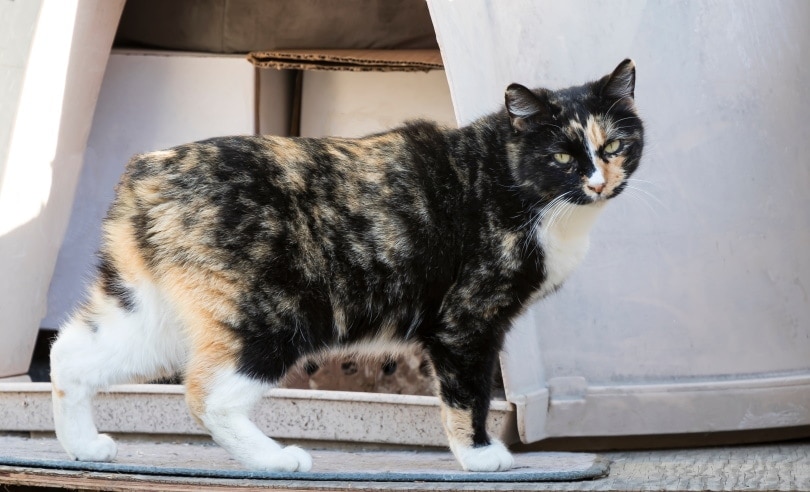
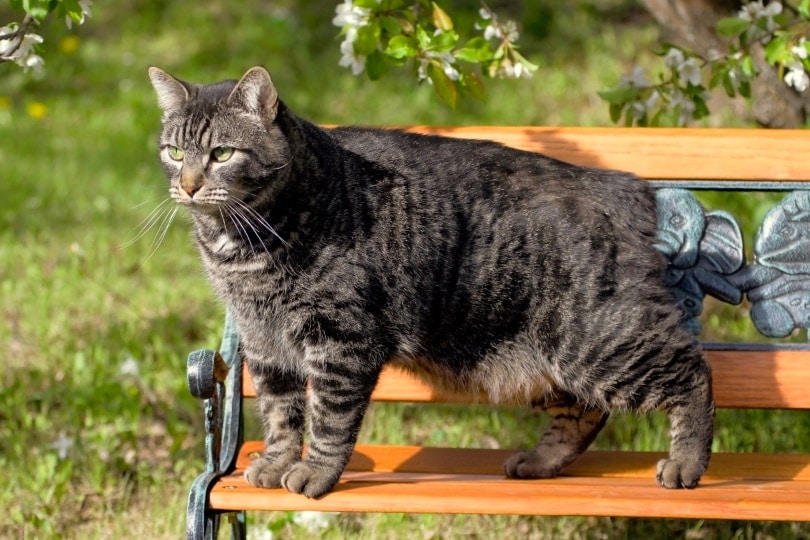
The Manx is an ancient cat that is the only cat breed that is bred for taillessness. Don’t take that the wrong way, though. Many people mistakenly believe that every tailless cat they come across must be a Manx, but there’s more to the breed than that. They are native to the Isle of Man and have been around long enough that some stories claim that the original Manx lost its tail when it was shut in the door to Noah’s ark.
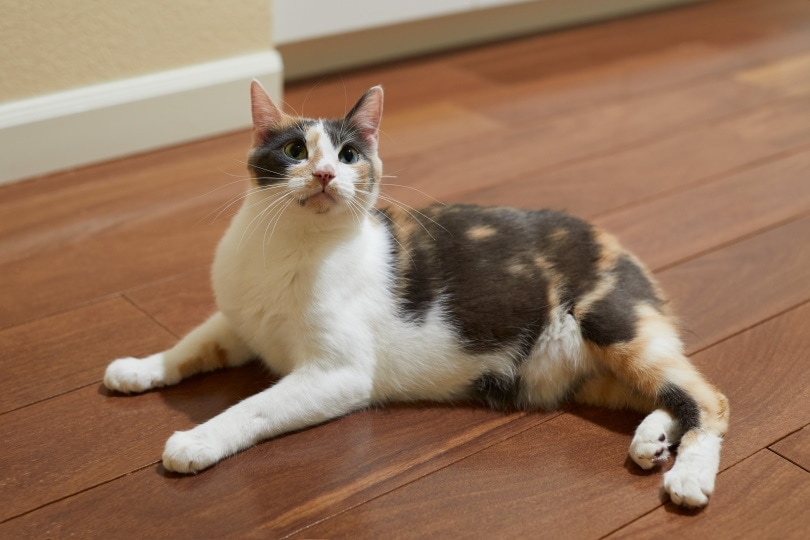
These cats make fabulous companions to people and other animals alike, making them a great pick for many households. They come in a rainbow of colors and patterns, as well as a long and short-haired version.

Manx Kittens
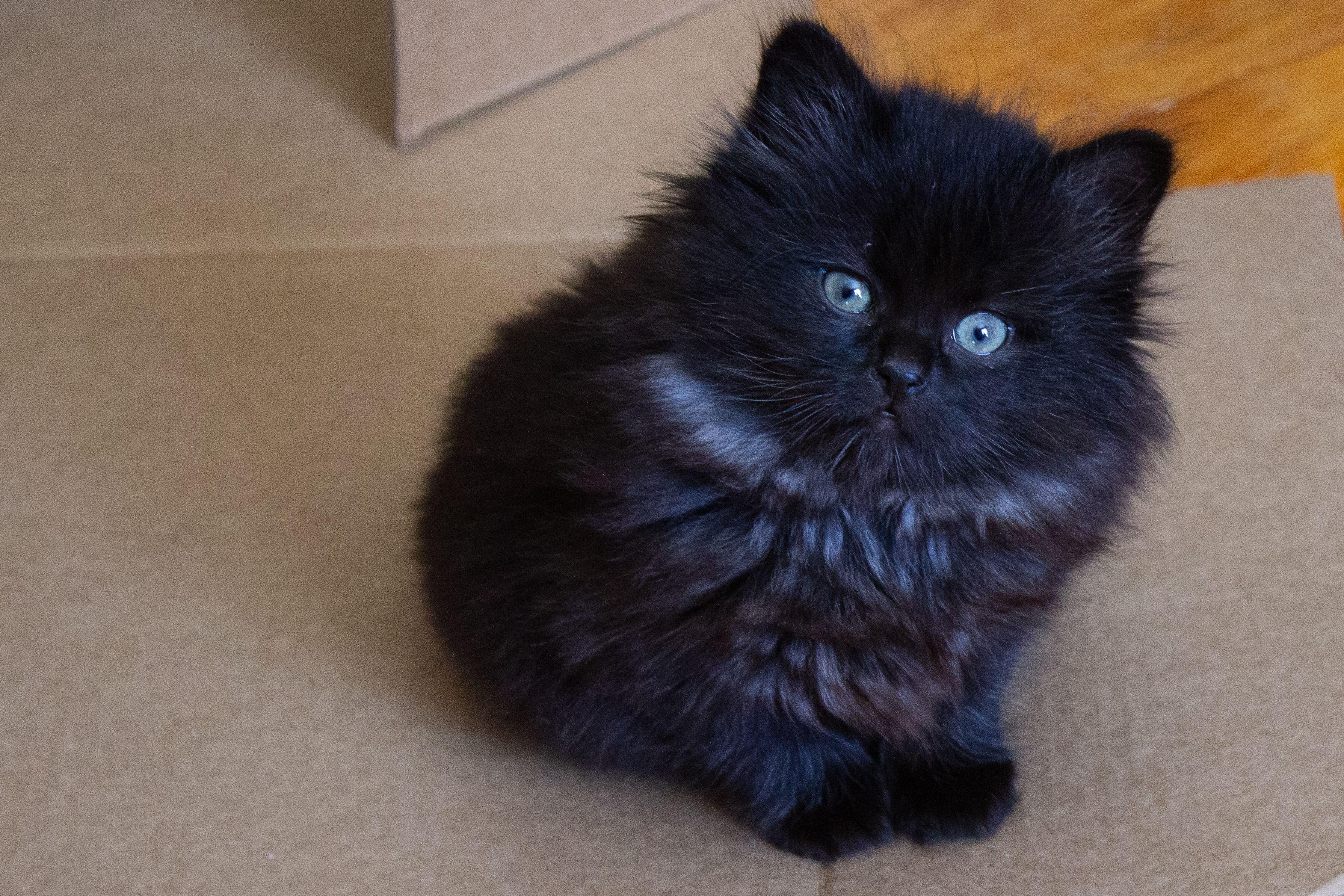
Manx cats, like most other breeds of cats, aren’t immune from ending up in shelters and rescues. Since this is not an overly rare breed, finding an adoptable Manx kitten shouldn’t be too difficult, especially since there are multiple breed-specific rescues for this breed.
 3 Little-Known Facts About the Manx Cat
1. The tails are all about genetics.
The taillessness of the Manx isn’t something that happens completely at random. The gene linked to taillessness in the Manx is an incomplete dominant gene, which means that two parents that carry the gene can still have a litter of kittens with varying tail lengths. There are no guarantees of a fully tailless litter of Manx kittens, and the kittens can have tails that vary from nonexistent to full length.
However, the fact that the gene is a dominant gene has ensured that it continues to express in the breed instead of being naturally or artificially bred out.
2. They are a founding breed.
In 1906, the Cat Fancier’s Association was founded, and the Manx was one of the original founding breeds of the association, and the breed itself has been making appearances in cat shows since the 1800s. The breed was first described in the early 1800s and was written about as an established breed.
3. Their origins are a mystery.
Nobody knows where the first Manx cats on the Isle of Man came from. The Isle of Man has no indigenous cat species that could have formed the Manx. Like in many areas, this breed of cat originated thanks to people bringing cats to the island. Nobody knows who brought the cats to the island, though, and nobody knows what older breed of cat the Manx came from. One story tells that the Manx arrived on the island from a shipwreck offshore.
If this story is true, there were either multiple cats involved in the shipwreck or there were cats that had already been brought to the island that then interbred with the shipwrecked cat that carried the unusual tailless gene.

Temperament & Intelligence of the Manx Cat
Are These Cats Good for Families? 👪
The Manx is often considered to be a very family-friendly cat breed. They tend to be loving and affectionate, as well as playful and intelligent. Some Manx will only develop close bonds with one or two people, so it’s not out of the question to end up with a Manx that plays favorites. Overall, the breed tends to show broad affection for many family members and visitors, including children.
Although they’re an active breed, most Manx cats aren’t overly active. If their boundaries are respected, they aren’t likely to be biters or impatient with children. To avoid stress and bites, make sure all children who will have interactions with the cat have been properly educated on how to safely and gently handle a cat, as well as how to respect the cat’s boundaries and give it space when it’s done with playtime.
Does This Breed Get Along with Other Pets?
These cats are often highly social, even with other animals. Early introductions when the cat is still a kitten will provide the best chance of all the animals in the household getting along. Slow introductions will decrease the chance of excessive stress for all animals involved. Make sure that your Manx and other pets are properly supervised by an adult while still getting comfortable with each other.
Use caution allowing your Manx around small animals, though. Rodents and small reptiles and amphibians will look very much like prey to many Manx cats.

Things to Know When Owning a Manx Cat:
Food & Diet Requirements 🐡
Your Manx will benefit from a high-protein, high-quality diet that uses whole proteins, like fish, beef, lamb, and chicken, as the first ingredient. Cats are obligate carnivores, so avoid foods with excessive amounts of grains, fruits, and vegetables. If you’re ever unsure if the diet you’re considering is appropriate, your vet or a veterinary nutritionist are wonderful resources. How much food you feed your Manx will depend on the cat’s activity level, age, current weight, and overall health status.
Manx mature more slowly than most other cat breeds, often not being considered fully mature adults until around 3–5 years of age. Kitten food is recommended for this breed for at least the first year of life, if not longer. Your cat’s vet is the best resource to determine when your Manx should switch from kitten to adult food.
Exercise 🐈
Manx cats are active cats with muscular bodies, so keeping them moving will help with excess energy and stress. They aren’t over the top with their exercise needs, but their extended juvenile stage will often keep them more active than some other cat breeds. Providing lots of entertaining toys, like cat trees and teaser toys, will keep your Manx at a healthy weight.
Training 🧶
These intelligent cats can be trained to perform tasks, tricks, and jobs. Starting any training regimen while your cat is still young will ensure they have plenty of time to learn new skills before they have free roam of your home. If you simply want your cat to know how to do normal tasks, like using a litter box, then you need to be consistent with the training regimen.
Consistency is especially key when training against undesirable behaviors, like getting on food prep surfaces.
Grooming ✂️
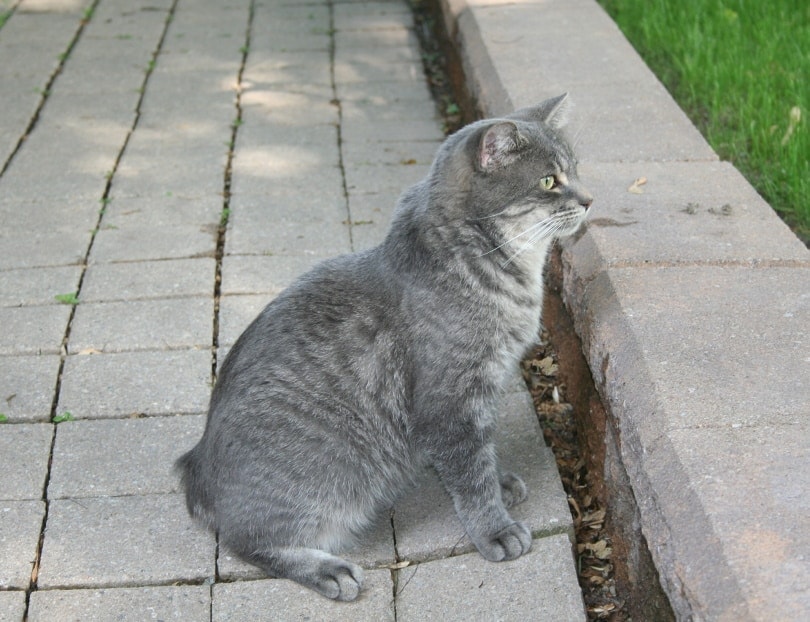
The Manx is a moderately shedding cat, so it does require regular brushing. A good brushing once weekly will usually suffice for most Manx’s coats. Longhair Manx cats may require more frequent brushing to prevent mats and tangles from forming. If your cat is overweight or elderly, it may also require more frequent brushing to maintain skin and coat health.
Overall, though, this is not a high-maintenance breed when it comes to grooming.
Health and Conditions 🏥
- Corneal Dystrophy
- Deafness
- Hopping Gait
- Manx Syndrome
- Congenital Vertebral Malformations
- Spina Bifida
- Rear Leg Weakness/Paralysis
- Bowel and Bladder Incontinence
- Feline Lower Urinary Tract Disease
- Constipation
- Megacolon
- Obesity
- Diabetes
- Mast Cell Cancer
Male vs Female
A male Manx will usually be larger than a female, as well as more territorial. However, males are often more loving and accepting of human strangers than females are. Female Manx cats are usually more independent than males and may be more protective or nurturing due to their maternal instincts.
Conclusion
The Manx is a wonderful cat breed that can add a ton of love to your household. They are affectionate cats that provide companionship to people and other pets alike. They can be playful but functional additions to a household, but the Manx does have its downsides. They are not the healthiest cat breed, primarily due to their tailless gene, and they can come with some serious medical conditions that can lead to shortened lifespan and a high level of care.
Most Manx cats are quite healthy, though. This breed is generally considered to be a sturdy cat with a lot to offer. They are intelligent, talkative, and friendly cats that would love to be made a part of your family.
Featured Image Credit: NSC Photography, Shutterstock