Cornish Rex Cat Breed: Info, Pictures, Care, Traits & Facts

Updated on

| Height: | 8-12 inches |
| Weight: | 6-10 pounds |
| Lifespan: | 11-15 years |
| Colors: | Red, brown, blue, black, white, cream, frost, fawn, platinum, cinnamon, chocolate, chestnut, lavender, seal, champagne |
| Suitable for: | Families of any size |
| Temperament: | Energetic, very curious, and loving |
In the early 1950s in Cornwall, England, a new breed of cat was discovered from a litter of barn cats. The Cornish Rex cat resulted from a recessive gene that gave the cat short curly fur. After the cat’s owner bred him with his mother, the Cornish Rex numbers increased, and eventually, the cats became recognized as an official breed in the United States in 1967.
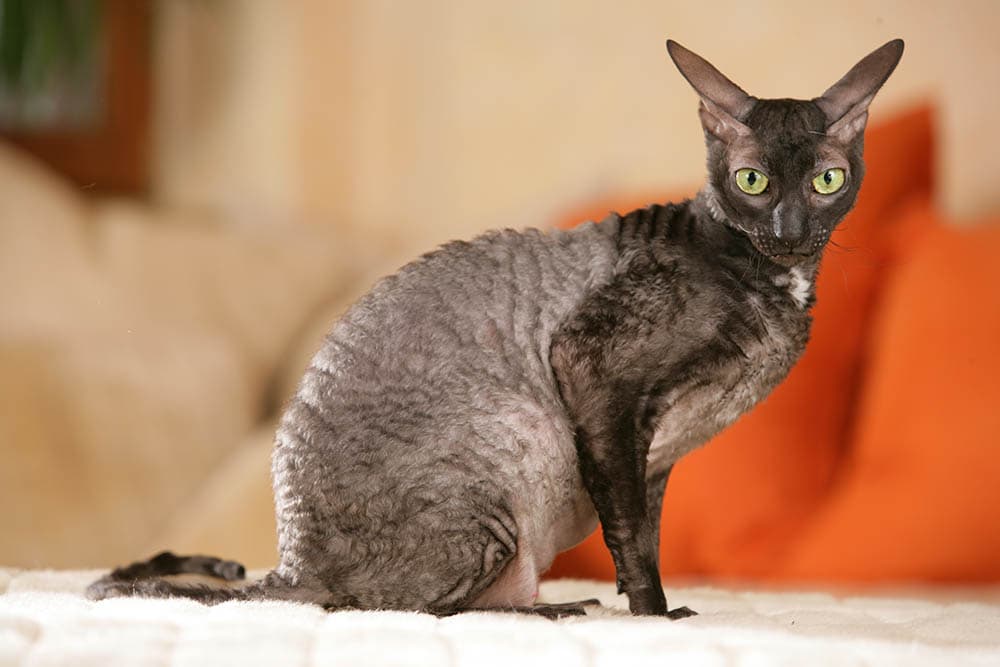
Cornish Rex cats stand out from other cats because of their large ears, thin angled faces, and slender whip-like tails. The cats are full of energy and enjoy spending time with humans and other animals. Although their sleek appearance suggests their bodies aren’t as rugged as other breeds, Cornish Rex’s are agile athletes that perform jumps and other acrobatic feats that would make other cats envious.

Cornish Rex Kittens
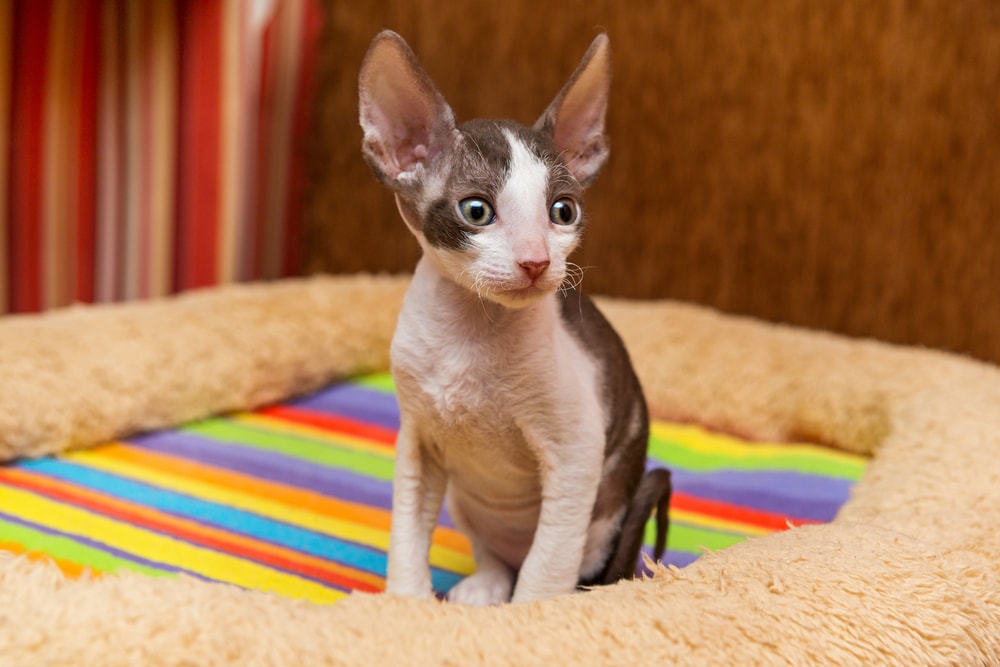
You can expect to pay a high price for a Cornish Rex kitten. They’re expensive compared to other breeds, but you may be able to find one at an animal shelter. Former owners of the breed often put the animals up for adoption because they’re unable to handle their energy levels and intense curiosity. That’s why it’s so important to do lots of research regarding which cat breed is the best fit for you and your lifestyle.
The Cornish Rex lives us to 15 years so it is certainly not a short-term commitment. They are generally healthy but don’t do great in very hot or cold weather. They’re a great choice for families who can commit enough energy and time to play with this kitty and care for them well.
3 Little-Known Facts About the Cornish Rex
1. The oil from the cat’s skin has a unique odor that some compare to gourmet cheese.
Cornish Rex owners claim that the odor isn’t offensive or overwhelming, but it is noticeable.
2. Cornish Rex cats were bred with Siamese cats in the early 1960s to expand the gene pool.
The original Cornish Rex was mated with his mother to produce a small litter of kittens, but the breed could not become stable until more genetic diversity was introduced. After the breed was introduced in the United States, breeders mated them with Siamese cats. The Siamese traits gave the Cornish Rex larger ears and a thinner tail.
3. The original Cornish Rex was named Kallibunker.
Kallibunker’s owner had previously bred Rex rabbits, and she knew that the kitten was unique due to its single layer of curly hair.
Temperament & Intelligence of the Cornish Rex Cat
Are These Cats Good for Families? 👪
Cornish Rex cats are ideal for families of any size. As one of the most socially adept breeds, the cat loves humans and typically singles out a family member to follow around as a friend for the day. They’re great around young children, but owners should still supervise the cat’s interaction with toddlers until the animal becomes accustomed to them.
If you have frequent visitors, the Cornish Rex will greet them with joy and even show off a little. They’re not timid around strangers and love to make new acquaintances.
Does This Breed Get Along with Other Pets?
Although their affection for humans is strong, they also socialize well with other animals. They don’t feel threatened by other cat breeds or other pets like dogs. The Cornish Rex makes friends quickly, and the only pet that does not mix well with the cat is a bird. Because of their athleticism, the Cornish Rex can jump onto birdcages suspended high above the floor.

Things to Know When Owning a Cornish Rex Cat:
Food & Diet Requirements 🐡
With a boundless supply of energy, Cornish Rex cats require a healthy diet. Veterinarians recommend feeding the cat a cup of dry food in the morning and a cup of wet food in the evening. When you’re selecting cat food, check the nutrition information carefully. Only use brands that list meat as one of the main ingredients. Like other breeds, the Cornish Rex needs to eat meals high in protein and carbohydrates.
Like other cats, Cornish Rex are more carnivorous than omnivorous. Cornish Rex kittens should consume around 240 grams of protein every day, and adults need at least 140 grams.
Recently, the popularity and availability of premium raw cat food have persuaded some cat owners to give up on commercial brands. Manufacturers of raw cat food claim that commercial food is riddled with preservatives and other chemicals that are unnecessary or detrimental to the animals’ health. However, veterinary experts disagree that cats benefit from a raw diet. When you purchase raw food from a grocery store cooler, you have no idea if the meat has maintained the proper temperature since it was delivered to the store.
A cooler malfunction can raise the temperature and cause the meat to spoil prematurely. Spoiled raw meat can give your Cornish Rex a bacterial infection and damage its digestive system. Since the meat is not cooked, other foodborne pathogens like salmonella can also be present in the meat. Even though it’s trendy, avoid feeding your cat raw food. Ask a veterinarian for brand name suggestions or inquire about healthy homemade cat food recipes.

Exercise 🐈
Compared to other cat breeds, Cornish Rex cats are more energetic and agile. Daily exercise is essential, but you shouldn’t have any trouble meeting the cat’s exercise requirements. Cornish Rex cats love to play fetch with a toy or ball of paper, and they’re proud of their leaping ability. The felines enjoy diving off of high cabinets, refrigerators, and bookshelves. Most domestic animals require affection and daily attention, but the Cornish Rex will let you know if they feel neglected.
A Cornish Rex cat will follow you around all day and cry out or nudge you with a paw if they need attention. If you have a hectic lifestyle that frequently keeps you away from home, the Cornish Rex is not for you. Because of their race dog appearance, some people compare them to a greyhound dog. Luckily for Cornish Rex owners, the felines do not require the same level of exercise as a greyhound. As long as you play with your cat every day for at least an hour, your Cornish Rex can stay healthy and fit.
Training 🧶
Cornish Rex cats are very intelligent. Because of their dynamic and sometimes hyper behavior, training the cat will help keep them more controlled. Unlike other more stubborn breeds, the Cornish Rex is capable of learning to fetch, sit and even roll over. Training a cat is more challenging than training a dog, but you can train a Cornish Rex to follow your commands with the correct methods and plenty of patience.
Using positive reinforcement is the proper way to train your cat. Reward the animal with a treat when they respond favorably to your commands, and eventually, the cat will obey you without the reward. Cornish Rex cats live to please their owners, and they respond well to new tricks even when they’re mature cats.

Grooming ✂️
Because of the thin layer of hair that covers their body, grooming requirements are minimal. Brushing the cat’s hair gently with a rubber brush or clean hand every week keeps their coat healthy. A metal or natural fiber brush is too abrasive on their skin, and they can develop skin conditions if their skin is irritated by overgrooming.
Most breeds have three layers of hair: guard hair, awn hair, and down hair. Cornish Rex cats only have down hair to protect their skin. Although their hair is thin, the cats are not technically hypoallergenic. They shed less than other cats and may produce less of an allergic reaction than other long-haired cats.
Health and Conditions 🏥
With a diverse heritage from other breeds, the Cornish Rex cat is not susceptible to diseases typical of purebreds. Breeders use several types of felines, including the American Shorthair, Havana Brown, Burmese, Siamese, and British Shorthair to sustain the bloodline.
Although they’re genetically protected from some terminal conditions, they’re susceptible to extreme heat and cold temperatures. Their thin hair offers little protection from the sun, and you should avoid keeping the cat outdoors in the summer or winter for long periods. They’re chilled easily, and they often snuggle up beside a heating vent or oven when they need additional warmth.
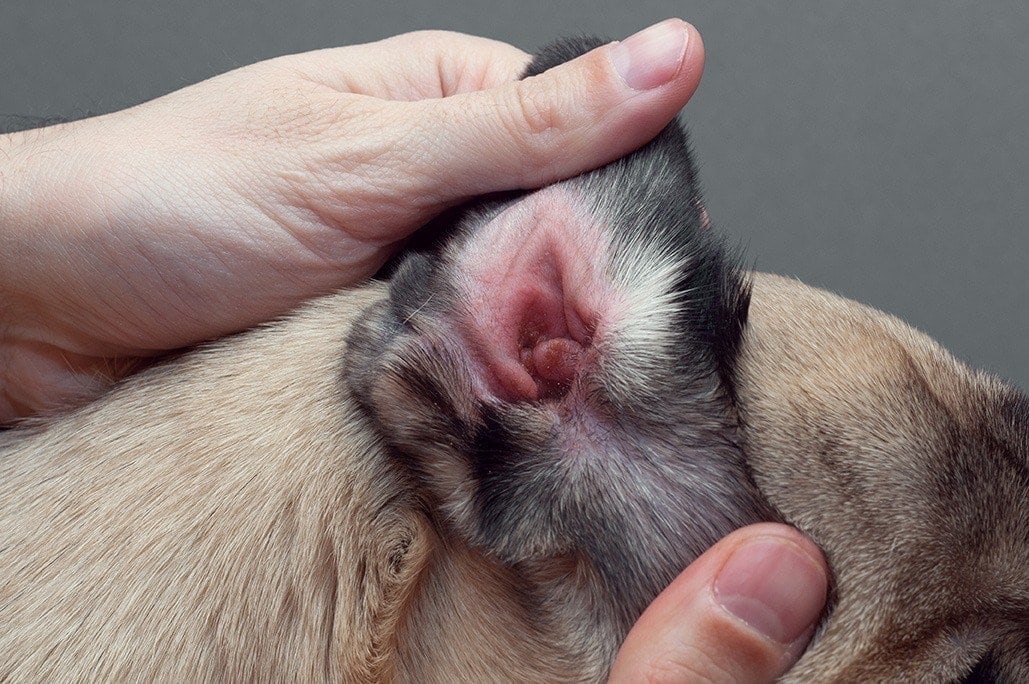
Cornish Rex Cats have enormous ears (compared to the size of their heads), and you should clean their ears regularly to prevent an infection. Like other felines, the cat’s teeth require bi-weekly brushing to keep them healthy.
- Sunburn
- Skin rashes
- Ear infections
- Hypertonic cardiomyopathy (HCM)
- Patellar luxation
Male vs Female
Female Cornish Rex cats weigh one to two pounds lighter than the males, but both sexes exhibit the same wild personality and penchant for indoor mischief. Getting a Cornish Rex fixed at a young age (under six months) may tame their curiosity slightly, but most adults retain their kitten-like intensity throughout their entire lives.

Final Thoughts
The Cornish Rex cat has a regal appearance, but underneath the aristocratic physique lurks the soul of a clown. They seem to enjoy being mischievous and revel in your confusion when they pry open drawers, doors and cabinets. Their athletic ability is unmatched in the cat world, and you’re unlikely to find another domestic pet that can leap like a Cornish Rex cat. The creatures are proud of their agility, and they aren’t afraid to show every human they meet how high they can jump.
Although the breed isn’t known for spending much time as a lap cat, they’re affectionate felines that demand plenty of attention and love. They take little time to warm up to a human owner, and when they select an owner they love, the cats never leave their side. If you’re searching for a cat that acts more like an energetic dog, the Cornish Rex is the ideal pet.
See also:
- 4 Curly Haired Cat Breeds: Rare Coated Cats (With Pictures)
- Tabby Cat: Info Pictures, Care, Traits & Facts
Featured Image Credit: Okssi, Shutterstock