Chartreux Cat Breed: Info, Pictures, Care, Traits & Facts

By Hallie Roddy
Updated on

| Height: | 12–16 inches |
| Weight: | 9–11 pounds |
| Lifespan: | 11–15 years |
| Colors: | Blue, grey |
| Suitable for: | Small families or single owners looking for a quiet, low-maintenance pet |
| Temperament: | Playful, sweet, friendly, affectionate |
Cats have been around for a long time, and the Chartreux breed dates back to the 18th century. This cat was bred by monks and used to keep the monasteries free from rodents and pests. We don’t know their exact origins, but we are glad that they are more popular today. Over time, they have gained popularity and made their way into the hearts of cat lovers around the world.
The Chartreux loves attention, and they’ll make sure to spend time with you whenever they think they can get your affection. They are the perfect family pet and easy to care for. Whether you’re a single person or married with children, don’t miss out on owning one of the best cat breeds available.

Chartreux Kittens

We all know cats tend to do what they want when they want. With a Chartreux, you’ll be surprised that they’re more eager to please than other cats. They aren’t easy to train, but it is possible. They are relatively healthy, and you can expect them to stick around for up to 15 years.
While not all cats are social, Chartreux enjoy hanging around people and other animals a bit more than other breeds do. It’s hard not to fall in love with them. When they aren’t napping in the sun, they prefer to cuddle up with you and spend the day begging for your attention.
The 3 Little-Known Facts About the Chartreux Cat
1. They Have a Religious Background.
The Chartreux cat was brought to France around the 1500s. At that time, they were bred mostly by Carthusian monks to be working cats, where they kept rodents out of the monasteries. Over time, they were loved for their powerful bodies and pretty blue coats.
2. They Have Unknown Origins.
Although they eventually made their way to France, nobody knows where they originated. Some researchers believe they were a type of feral mountain cat from the Middle East, and merchants brought them to France.
3. They Are Relatively New to America.
Despite being around for hundreds of years, the Chartreux didn’t appear in America until 1970. A couple in La Jolla, California, read about them in a book before traveling to Paris to bring one home. The Cat Fanciers’ Association only recognized them in 1987.

Temperament & Intelligence of the Chartreux Cat
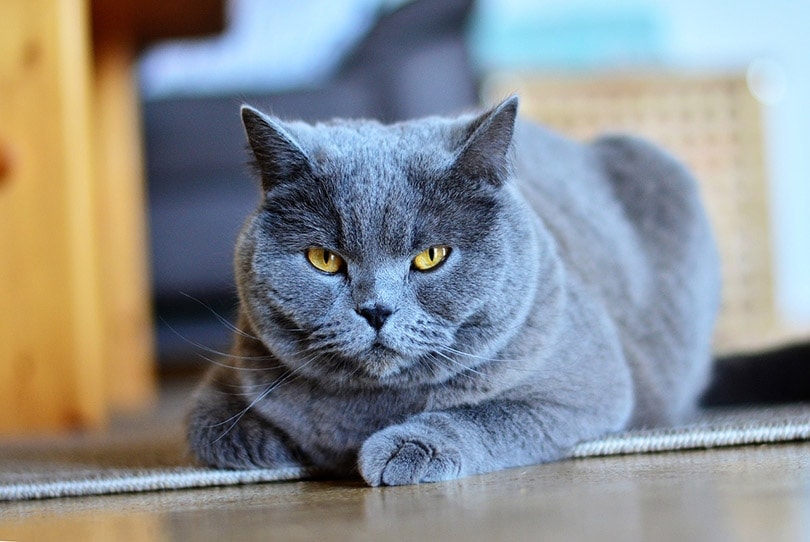
Chartreux cats are friendly and intelligent compared to some other breeds. They are also one of the most affectionate. Chartreux cats get easily attached to their owners. They prefer a peaceful house to match their easygoing personalities. Although quiet, they are very social and get along well with most humans and animals.
Don’t forget that, at the end of the day, they are still cats and do like a bit of personal space on occasion. If you visit a breeder or shelter, try to spend some time with a Chartreux before taking them home. The more you understand their personality, the easier it is to see yourself falling in love with them and welcoming them home.
Are These Cats Good for Families? 👪
Chartreux cats are friendly, but cats, in general, are hard to trust around children. You never know how much they can tolerate before they bite or bat at them. Still, if you want a family cat, the Chartreux is one of the best.
They are one of the most gentle breeds and often act with compassion around kids. We still recommend supervising them when around babies and toddlers or until you can teach them how to properly treat and handle cats in a way that won’t bother or hurt them.
Does This Cat Breed Get Along with Other Pets?
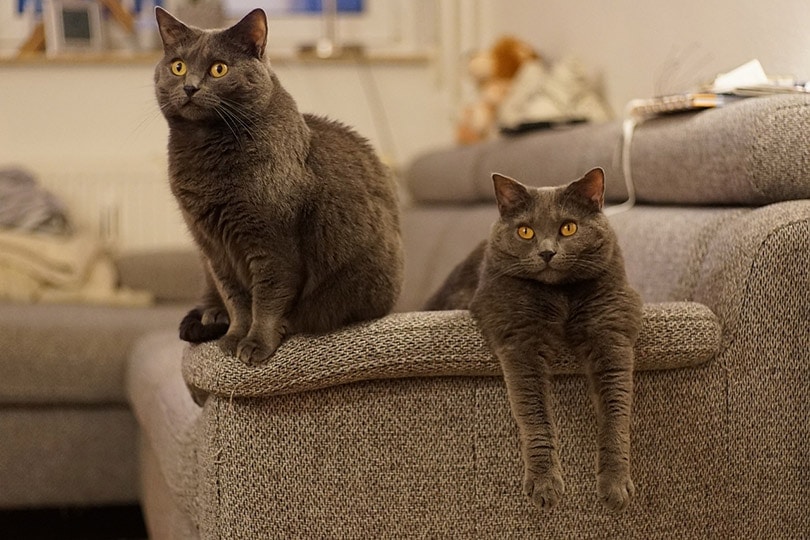
You shouldn’t worry about bringing a Chartreux cat home if you have other pets in the house. Chartreux cats get along well with most animals, even the bigger ones. They are mostly calm and aren’t the type to start a fight.
Things to Know When Owning a Chartreux Cat
Chartreux cats have specific needs that must be met so that they can live full, healthy lives. If you want a happy cat, make sure you can provide the following requirements.
Food & Diet Requirements 🐡
Chartreux cats are carnivores, and their diet must include meat. They can also have sensitive stomachs and have problems digesting plant-based proteins, but protein from animals is necessary to support their heart and fuel their bodies.
Some felines also have issues with dehydration. Giving them a little bit of wet food a few times a week is a good source of moisture for their skin and coat. Because they tend to be a bit picky, you might want to choose one flavor and stick to it. They are sensitive to small changes, and a new flavor might upset their stomachs.
Exercise 🐈
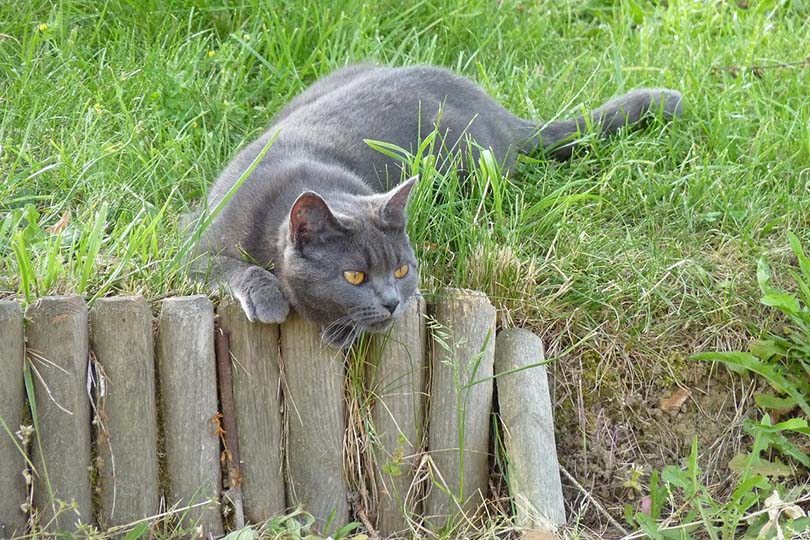
Exercise keeps your Chartreux from becoming bored and acting out around the house. It’s not hard to get your cats up and moving. They have an instinct to hunt and climb. Give them a variety of toys that keep them moving, shelves or towers to climb, and cat trees for them to dig their claws into.
Training 🧶
Training cats isn’t easy, but it’s not impossible. Chartreux cats are intelligent and easier to train than others. Litter box training is a breeze, and some can be taught to play fetch, sit, and jump through hoops.
Grooming ✂️
The coat of the Chartreux cat has a wooly feel to it, and you only have to brush them twice weekly to get rid of dead hair and keep it from matting. Trim their nails once they get long. Cats do a pretty good job of cleaning themselves, but you might want to check the hard-to-reach places, like in the ears. You should also keep their nails trimmed and brush their teeth regularly.
Health and Conditions 🏥
All animals have health issues. The Chartreux also have a few genetic predispositions that they could have inherited. The most common, minor problems are allergies and patellar luxation. More severe issues are renal failure, dislocated joints, and heart disease. Some of these are preventable with a healthy lifestyle, but you should only engage with the breeders who have pre-screened the parents for abnormalities.
- Allergies
- Patellar luxation
- Renal Failure
- Knee dislocation
- Heart Disease
Male vs Female
Male and female Chartreux cats both have similar traits. The males often have a little more energy, and the females tend to stay more attached to their families. Sex isn’t the most crucial factor when picking out a new cat. Take their temperament and history into consideration before you think about the sex.
Conclusion
The Chartreux cat isn’t always like other breeds, and they make excellent family pets. They have a gentle nature and are more affectionate than most felines. They prefer spending a lot of time with you and can become a beloved addition to a home.
They might be a bit more expensive, but that’s because they are such great companions that are so easy to care for. If you’re going back and forth on cat breeds, we hope reading this breed info on Chartreux cats has helped you make a better-informed decision.
Featured Image Credit: emirhan bal, Pixabay