Bengal Cat: Breed Info, Pictures, Care, Traits & Facts

Updated on

Click Below to Skip Ahead
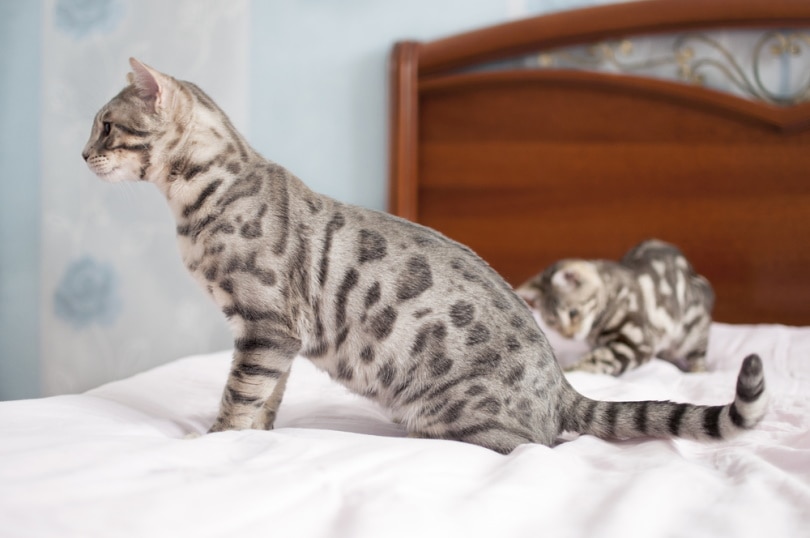
Bengal cats have become increasingly popular pets since the early 2000s. These stunning felines with unique coat markings and colors resemble wild cats due to their Asian Leopard Cat parentage. By crossing those wild beauties with domestic cats, the Bengal was created. Their name is a nod to the Asian Leopard Cat’s scientific name, Prionailurus bengalensis.
| Length: | 8 – 10 inches |
| Weight: | 8 – 15 pounds |
| Lifespan: | 9 – 15 years |
| Colors: | Brown, silver, snow, charcoal, blue, black; spotted or marbled patterns |
| Suitable for: | Those looking for an active cat, multi-pet households, families with kids |
| Temperament: | Intelligent, confident, playful, vocal, friendly with people and other pets |
Today, your Bengal kitten will likely have two Bengal parents and not be a direct result of an Asian Leopard Cat. Those direct litters set up the foundation for breeding Bengals and are still considered wild. They eat raw meat and can’t be trained to use a litter box. Owning these foundation cats as pets is prohibited in many areas of the country.
Domesticated Bengal cats are different from your average feline. If you’re looking for a cat to sleep in your lap all day, this isn’t the one for you! Bengals need an extraordinary amount of attention, interaction, and playtime. While other cats may spend their time lounging, the energetic Bengal is a big fan of exercise and enjoys being active and playful. They’re also loving cats with soft, silky coats that glitter and shine. Let’s find out more about this intriguing breed.

Bengal Kittens
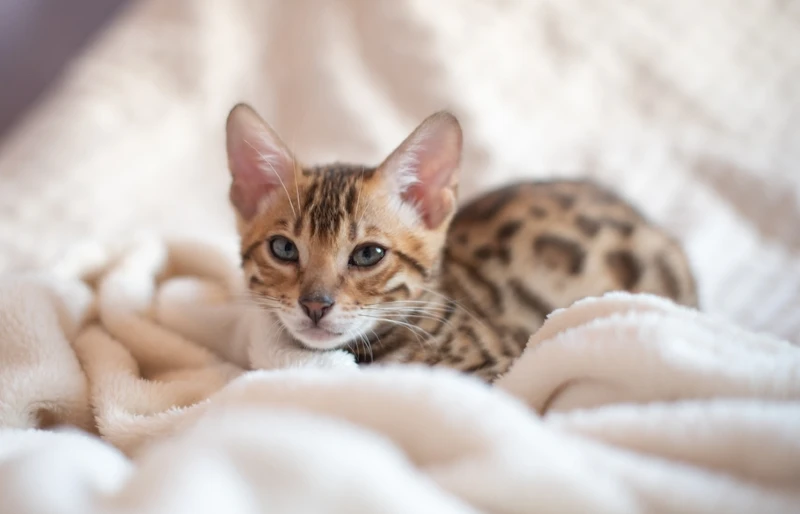
Bengal kittens usually come with a hefty price tag. Reputable breeders are breeding to preserve the health and longevity of Bengals. They only allow healthy cats to reproduce, and they perform all of the necessary genetic health tests on each parent cat before breeding.
Responsible breeding also means not selling kittens to pet stores. The kittens should be raised in the breeder’s home and socialized from birth. Isolated kittens can be difficult to socialize after they reach a few months of age. Always ask the breeder to see the parent cats and where the kittens are living. Unfortunately, due to the popularity of Bengals over the last 20 years, many people have chosen Bengal breeding as a way to make money, even if it means the breeding is irresponsibly done.
Look for signs of illnesses, such as swollen or runny eyes, lethargy, persistent coughing or sneezing, and bald patches on the kittens.
While there’s no way to guarantee that the kitten you purchase won’t ever get sick, your risk of this is significantly lower when purchasing from a responsible breeder who cares about the health of the cats. Your kitten should also come with their first set of vaccinations and deworming.
If you’re willing to adopt your Bengal kitten, there are rescues specific to this breed. Browsing your local animal shelter’s website or a Bengal cat rescue website could lead you to the cat of your dreams that will be a fraction of the price that a breeder charges.
Temperament & Intelligence of the Bengal Cat
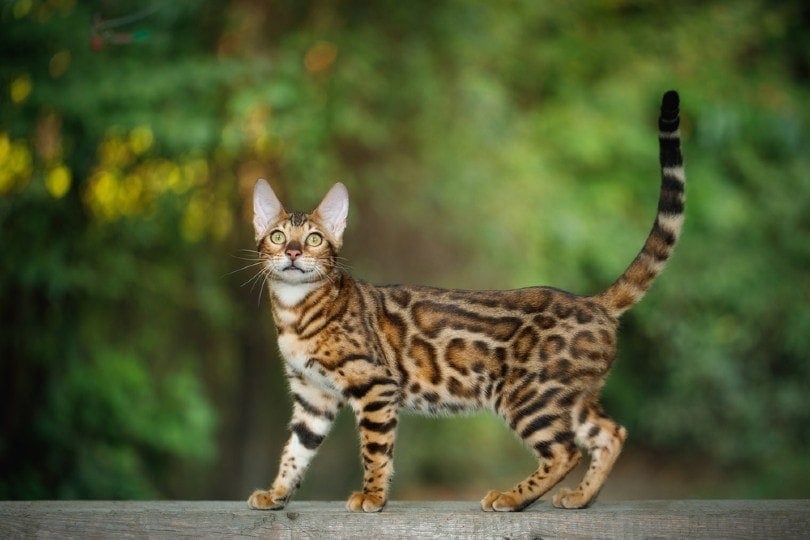
The energy of Bengal cats is matched by their intelligence. This can be too much for some people to handle when it comes to caring for a cat. Bengals differ from average housecats in a few ways. Their ideal day isn’t spent sleeping on the couch. They want interaction, playtime, and attention. If they don’t get this, they’re known to yell for it until they do, getting increasingly louder the longer that you don’t meet their demands.
As mischievous and demanding as these cats may be, though, they’re also affectionate, sweet, and full of personality. Their social and outgoing natures make them unique and interesting cats to own.
Are These Cats Good for Families? 👪
If a Bengal cat has been well-socialized from kittenhood, they make great family pets. These are cats that enjoy activity and plenty of people around to play with them. They’re known to get along well with children, even babies. If the kids like to play with the cat too, that’s even better. Bengals love to play and will entertain the family with their antics. These cats may choose one person in the family as a favorite and tend to stick closer to them, but they are happy to be with everyone in the household.
Does This Breed Get Along With Other Pets?
While each Bengal cat has their own personality and preferences, the breed is known for getting along well with other pets in the household. This has the best chance for success if the Bengal kitten is brought into a house with established resident pets. When adding an adult Bengal to a house with other animals, it might take a while before everyone is on familiar terms.
Introducing other pets to a household with a resident Bengal might be a challenge too. Bengals that are set in their ways may need more time to adjust to this change and can become territorial. It isn’t impossible for them to get used to, but it requires patience and time to let everyone adjust on their own terms.
If you’re considering getting a Bengal as a cat, remember that this breed is social and doesn’t like to be alone. If you’re going to be away from home for long periods each day, consider getting two Bengals to keep each other company. Your Bengal won’t sleep the day away waiting for you to get home, and a playmate will keep them happy and entertained.
Things to Know When Owning a Bengal Cat
Food & Diet Requirements 🐡
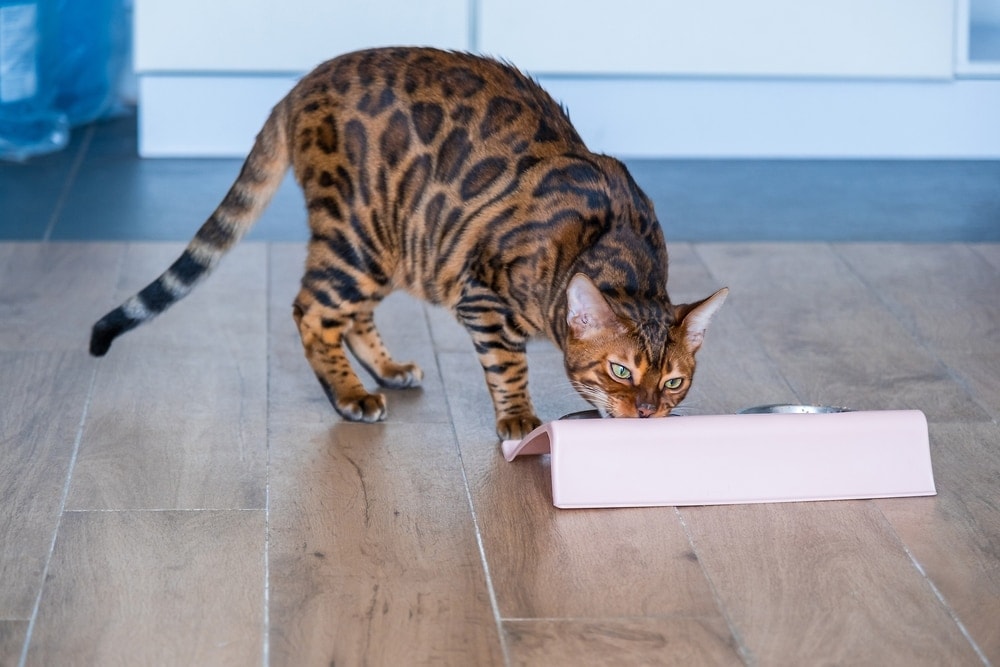
All cats are obligate carnivores, and the Bengal is no exception. This means that cats need protein from animal sources to survive. Wild cats exclusively eat a meat-based diet, but domesticated cats eat protein along with fruits and vegetables in their food. The majority of any cat food should be protein from animal sources, and the Bengal requires a protein-heavy diet. Their high energy levels require upkeep, and protein is the way to get it. There are certain foods on the market geared specifically toward Bengals. Unless recommended by your veterinarian, this food can be used if you prefer it, but it’s not necessary. A well-balanced diet with high protein, fatty acids, and vitamins and minerals will give your Bengal the nutrition that they need.
This goes for wet canned food and dry kibble. The protein content in both foods should be high. The fat content should be lower than the protein content. Whether you feed your Bengal wet food, dry food, or a mix is up to you and your veterinarian. The appropriate food amount and type will depend on your cat’s age, weight, health condition, and activity level.
Exercise 🐈
While all cats need exercise to some degree, Bengals have a high energy level combined with a healthy dose of curiosity. This makes them more active than the average housecat. They love to run and play, and they especially enjoy climbing. Be prepared for them to try to find the highest spot that they can reach. Tall cat trees with multiple perches are helpful for giving your Bengal a view from up high. Bengals can also benefit from exercise wheels. Wand toys or laser pointers are fun ways to interact with your cat while they burn off energy.
The intelligent Bengal cat can be taught to walk on a harness and leash. Taking your cat for a walk is another way to let them safely explore and get a workout while providing mental stimulation. Once your cat is fully vaccinated and up to date on flea and tick medications, it’s time to pick out a well-fitting harness and hit the sidewalk!
Training 🧶
Walking on a leash is just one of the things that you can teach your Bengal. It’s also possible to teach them to do tricks! These are incredibly intelligent cats that like to learn new things. Their intelligence can get them into trouble sometimes, though. They will make up their own things to do around the house for entertainment, and these might not be things that you want them to be doing.
Teaching your Bengal to not do the things that you don’t want them doing is possible, but you can also teach them commands like “sit,” “down,” and “paw.” If you have the will, Bengals can be taught to open doors, flip switches, and open trash can lids.
Training works best the earlier that you start. As soon as the cat is 3 months old, they can start learning basic commands. Food will be their motivation, so training sessions should take place before a meal and when the cat is hungry. Using high-value treats also helps because they are something that the cat doesn’t get at any other time than during a training session. Use something that will hold the cat’s interest, like bits of plain, cooked chicken breast.
Grooming ✂️
Bengals don’t require much in the grooming department. They have short coats, so there is no need for haircuts. Brushing, bathing, teeth cleaning, and nail clipping are the four main grooming needs for a Bengal.
- Brushing: This can be done every few days. During spring, when Bengals shed the most, brushing them daily will keep their coats healthy and keep the shedding to a minimum.
- Bathing: This isn’t necessary unless your cat is dirty. Bengals keep themselves clean. While they do love water and it likely won’t be too difficult to get your cat to go along with a bath, it only needs to be done when obviously necessary.
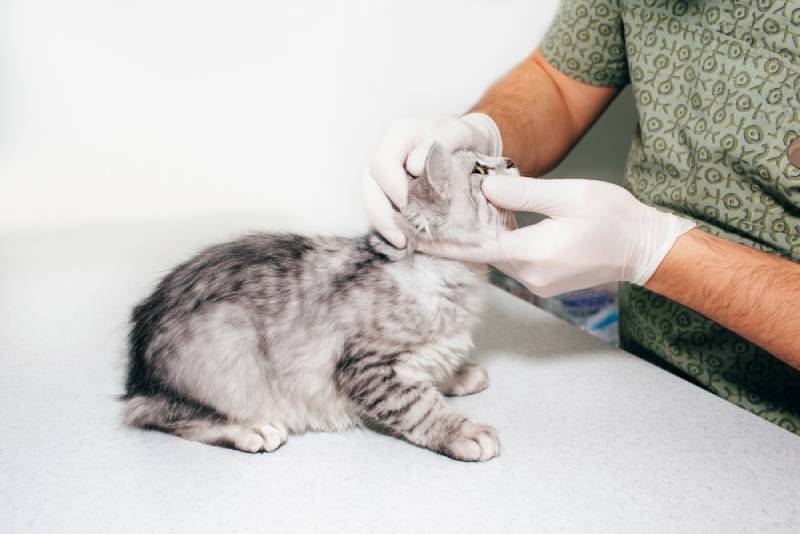
- Teeth Cleaning: Brushing your cat’s teeth is a good way to help keep them clean and avoid any plaque and tartar buildup that can lead to health issues down the road. Getting them used to this action while they’re still young is the best way to make them agreeable to it. A tasty toothpaste might help them enjoy this more, but never use human toothpaste! Only a toothpaste safe for cats to swallow is acceptable.
- Nail Clipping: Like brushing your cat’s teeth, clipping their nails while they’re still young gets them used to the action so you can easily do it in the future. Keeping their claws trimmed helps them feel better, avoids paw injuries due to overgrown nails, and keeps them from having to chew their nails down themselves. A good pair of clippers and a little bit of practice is all you need.
Health and Conditions 🏥
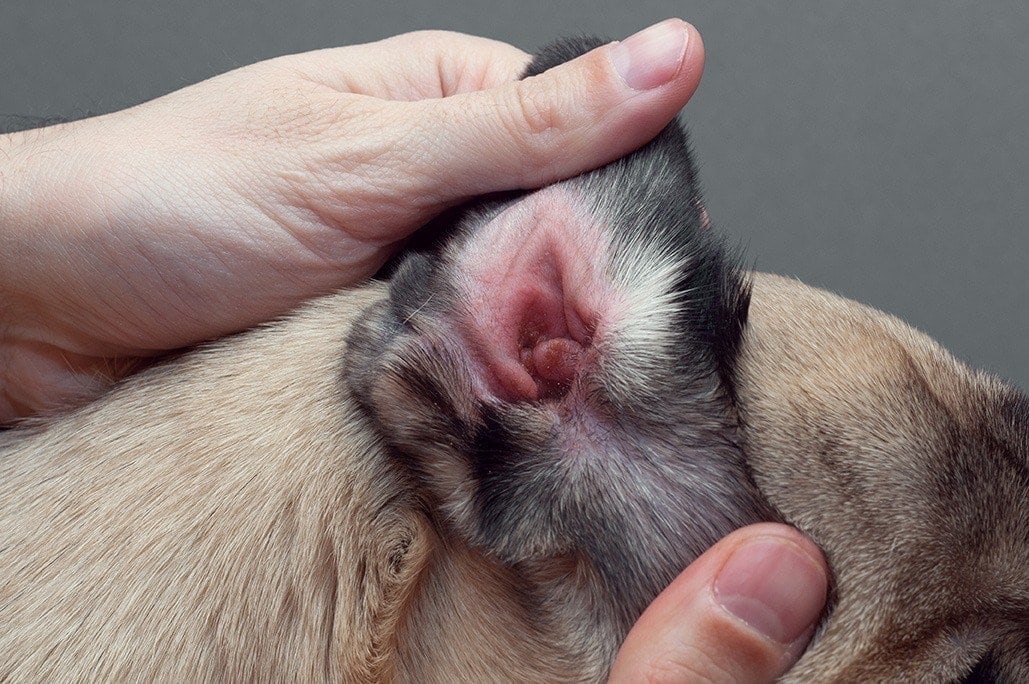
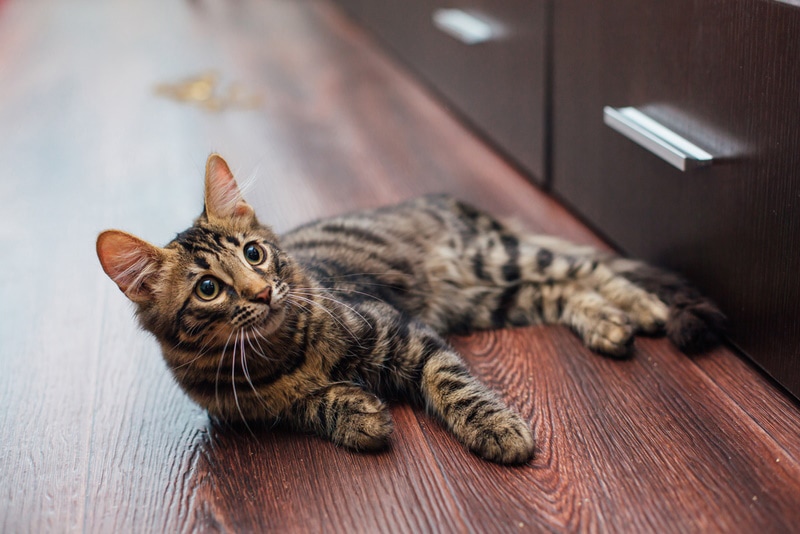
Bengals are healthy cats, but as with any breed, certain genetic health problems can occur. This breed is predisposed to several conditions that you need to watch for. Regular veterinary checkups are the best ways to detect, monitor, and treat any health conditions.
- Progressive Retinal Atrophy: This causes the cat’s retina to deteriorate over time, which can lead to blindness.
- Luxating Patella: This occurs when the kneecap slides out of position and becomes dislocated. Signs include lameness and a hop when the cat is running to favor their affected leg. Some cats can kick their legs to the side and pop the kneecap back in place. This makes the surrounding area weaker and eventually, the kneecap will become dislocated more frequently. Surgery is the treatment for this condition, but it can be managed, depending on severity, with medication.
-
- Flat-Chested Kitten Syndrome: Also known as Pectus Excavatum, this is a deformity in the chest and ribcage cartilage that causes the chest to appear flat. Symptoms include difficulty breathing, lung infections, coughing, vomiting, and failing to gain weight. Surgery is the only treatment for this condition.
- Hypertrophic Cardiomyopathy: A genetic heart disease causing the thickening of the heart’s walls and inhibiting its ability to function. Symptoms can be nonexistent or include labored breathing and lethargy. There is no cure, but medication can help manage this condition.
Male vs. Female
Deciding to get a male or female Bengal is a big decision when bringing one of these cats into your home. While both sexes are affectionate and loving, there are a few differences between the two. The most notable difference is size. Males are bigger than females.
Both sexes also make energetic and playful pets. Males have been reported to be more active, demanding, and naughty. They’re the cats that get into anything and everything and are constantly on the go.
Females are reported to be calmer and more independent, but they also have a high energy level and love to play. Some say females are more instinctive than males, a trait that is passed down from their wild ancestors to aid them in raising young.
No matter which sex you choose, you’re getting a loving companion that is sure to keep you entertained.
3 Little-Known Facts About the Bengal Cat
1. Unlike most domestic cats, Bengals love water.
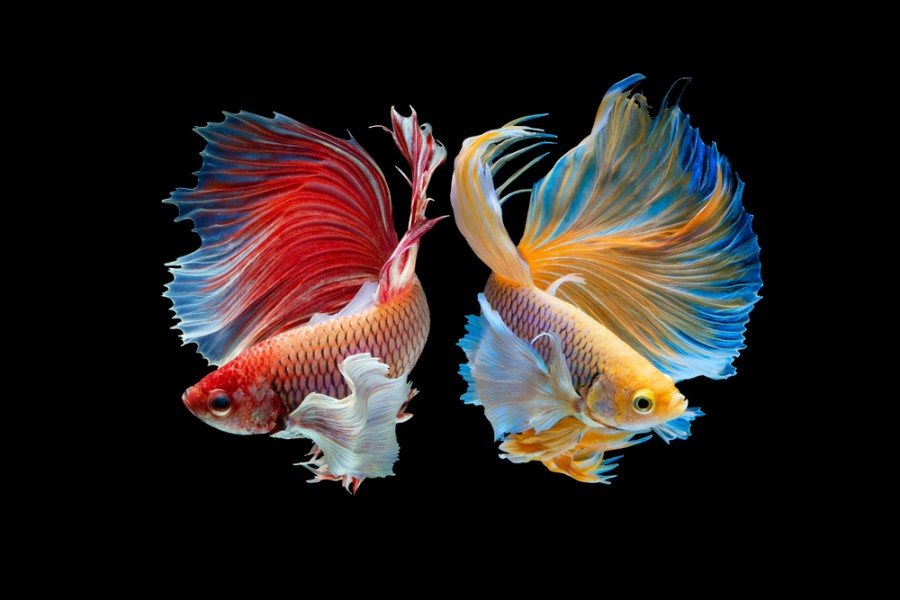
Asian Leopard Cats fish in the wild for their food. Domestic Bengals have retained this trait and enjoy playing in the water today. This can include trying to come into the shower or bath with you, playing under a running faucet, or stalking and pouncing on their own water dishes. To give your Bengal a fun water source, try a fountain that mimics their ancestors’ experience in the wild. Just remember to secure your fish aquariums!
2. Bengal cat ownership is prohibited or restricted in several states.
Bengal cats are legal to own in much of the United States as long as they are at least five generations removed from the Asian Leopard Cat. However, there are still restrictions placed on Bengal ownership, and they’re prohibited completely in several states and cities.
Currently, you cannot own a Bengal in Hawaii, Connecticut, Seattle, and New York City. You need special permits or licenses to own Bengals in California, Colorado, Indiana, Delaware, Alaska, Iowa, and Georgia. If you’re considering adding this cat to your home, check the laws in your area first.
3. It’s a myth that Bengals are immune to feline leukemia.
Many people believe that Bengals are immune to feline leukemia, and this is not true. The Asian Leopard Cat was thought to have partial natural resistance to the virus. People falsely believe that since the Bengal is a descendant of this cat, they don’t have to take precautions against the disease. But Bengals do not retain any part of the resistance to this disease nor any other.
It’s important to get your cat vaccinated for all diseases, including feline leukemia. This is especially true if your cat is going to be outdoors for any period or in the company of other cats with which they do not share a home.
Final Thoughts
Bengal cats are beautiful, interesting, and fun. This cat gets along with everyone, including young children and other pets. Their intelligence and energy level make them active cats, unlike an average domestic cat that is content to nap the day away. Bengals can be taught various tricks and commands and love spending time with their families. If you’re going to be away for long periods, consider getting your Bengal a playmate to keep them from getting bored and acting out.
Be sure to check the laws in your area before purchasing a Bengal to make sure you’re allowed to have one where you live. If you’ve decided to purchase a kitten, make sure to purchase from a reputable breeder. If you’re willing to adopt your cat, you can browse Bengal cat rescues to find your new best friend while saving a life at the same time.
Related Reads:
- How to Discipline a Bengal Cat Safe & Effectively in 6 Steps
- How Long Do Bengal Cats Live? Average Lifespan, Data & Care
Featured Image Credit: Seregraff, Shutterstock